I’ve been watching menswear trends shift over the last decade, and the designer jacket market is changing faster than most people realize. What sold like crazy three years ago sits on clearance racks now. Brands that dominated are getting disrupted by unexpected players.
My closet tells this story – jackets I bought in 2019 that felt cutting-edge look dated today. Styles I thought were too bold then are mainstream now. The pace of change keeps accelerating, driven by social media, celebrity influence, and younger buyers with completely different priorities than my generation.
Predicting what’s next isn’t guessing. It’s watching runway shows, tracking what influencers actually wear versus sponsor, and seeing what sells out versus what gets discounted. Here’s where designer jackets are heading.
Oversized Silhouettes Keep Growing
Slim-fit everything dominated menswear for years. Tailored, fitted, streamlined. That era is over. Oversized is the new standard, and it’s getting more exaggerated.
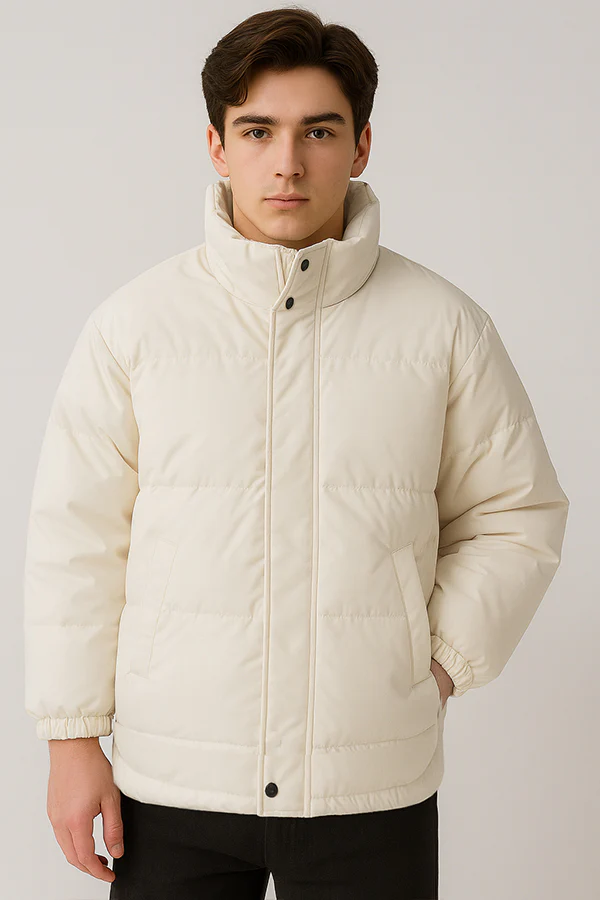
Designer brands showed jackets this season that look two sizes too big. Dropped shoulders, extended sleeves, boxy cuts. What would’ve seemed sloppy five years ago reads as intentionally stylish now.
This shift makes sense when you understand the audience. Younger buyers grew up with streetwear, where oversized fits signal authenticity and comfort over formality. Designer brands are following that energy instead of fighting it.
Quality construction matters more in oversized pieces. A cheap jacket just looks messy when it’s big. Designer versions use structure and draping to make the oversized look deliberate rather than accidental. You’re paying for fit that looks intentional.
Sustainable Materials Become Standard
Sustainability used to be a niche selling point. Now it’s table stakes. Brands that can’t articulate their environmental story are losing customers, especially younger ones who actually care about this stuff.
Recycled materials, organic fabrics, and transparent supply chains aren’t optional anymore. Designer jackets made from recycled polyester, regenerated nylon, or innovative plant-based materials are everywhere.
The interesting part is that sustainable doesn’t mean sacrificing quality or style anymore. Early eco-friendly fashion looked and felt cheap. Today’s sustainable designer jackets perform as well as traditional materials while checking the environmental boxes buyers demand.
Expect this to accelerate. Brands investing heavily in material innovation will win long-term. Those still relying on conventional production methods will get left behind as regulations tighten and consumer pressure increases.
Technical Features In Luxury Designs
The line between technical outerwear and luxury fashion is disappearing. Features that used to only appear in hiking gear or military equipment are showing up in designer jackets priced at four figures.
Waterproof zippers, sealed seams, advanced insulation, and weatherproof materials combine with luxury aesthetics. You’re getting functionality without looking like you’re about to climb a mountain.
This trend reflects how people actually live. We want jackets that work for multiple purposes – commuting, traveling, casual wear, even light outdoor activities. Single-purpose clothing doesn’t make sense when closet space is limited and versatility matters.
Brand collaborations between luxury houses and technical gear companies accelerate this fusion. When high fashion teams up with performance brands, you get innovations neither could create alone. These partnerships produce some of the most interesting jackets on the market.
Heritage Workwear Gets Reinterpreted
Workwear-inspired pieces cycle in and out of fashion, but right now they’re having a major moment. Chore coats, barn jackets, trucker styles – all reimagined with premium materials and designer price tags.
The appeal makes sense. These styles have history and authenticity that resonates when everything else feels disposable. A well-made workwear-style jacket feels substantial and timeless compared to trend-driven pieces.
Designer versions elevate traditional workwear with better fabrics, refined cuts, and thoughtful details. You’re getting the aesthetic of a vintage work jacket but with modern fit and quality that improves on the originals.
Watch for more brands mining industrial and military archives for inspiration. Vintage references combined with contemporary execution creates jackets that feel both familiar and fresh.
Bold Colors Replace Neutral Dominance
Menswear lived in black, navy, gray, and camel for decades. Safe, versatile, professional. That’s changing as younger buyers embrace color without apology.
Designer collections are showing jackets in burgundy, forest green, rust, mustard, even pastels. Colors that would’ve been considered too bold or feminine are becoming mainstream menswear options.
This shift takes confidence. Wearing a bright colored designer jacket makes a statement whether you intend it or not. But that’s exactly why it’s working – men want to express personality through clothing instead of blending into neutral backgrounds.
Color doesn’t mean sacrificing versatility if you choose wisely. A rust-colored jacket works with denim, khaki, and gray just as easily as black does. It just requires slightly more thought in your outfit combinations.
Wrapping This Up
Designer jacket trends are moving toward comfort, sustainability, and self-expression. The formal, restrictive menswear of previous decades is being replaced by styles that prioritize how clothes feel and what they communicate.
Oversized fits aren’t going anywhere. Technical features will become standard across luxury outerwear. Sustainable materials will separate winning brands from struggling ones. Heritage workwear will keep inspiring new interpretations.
Watch what sells out versus what goes on sale. Follow designers who are actually innovating instead of recycling old ideas. Pay attention to what younger buyers embrace – they’re driving the market direction whether established brands like it or not.
Buy pieces that align with where trends are heading, not where they’ve been. A well-chosen designer jacket today should still feel relevant three years from now, not dated the moment the season changes.
