
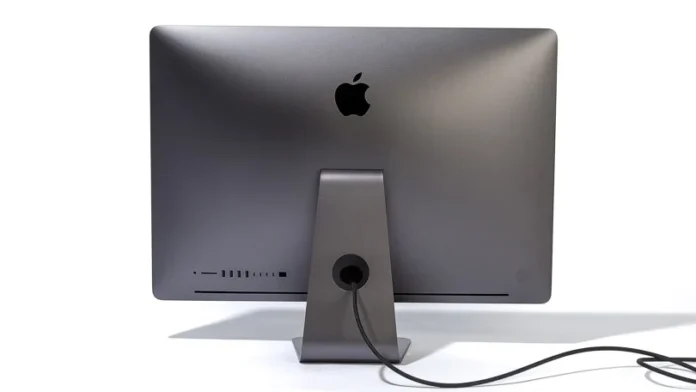
Recent discussions among creative professionals have brought renewed attention to the iMac Pro i7 4K performance review, as freelancers and small studios sift through used hardware options amid Apple’s shift to Apple Silicon. Established benchmarks from 2017 and 2018 testing continue to surface in forums and update articles, highlighting how this all-in-one machine handled demanding 4K workflows when new. Designers revisit it now, weighing its Intel Xeon power against modern M-series alternatives for budget builds or specific software compatibility. The conversation underscores a machine built for multi-core heavy lifting in video editing and 3D rendering, even as its single-thread speeds lag contemporaries.
Hardware Foundations
Processor Architecture
The iMac Pro i7 4K performance review starts with its Intel Xeon W processor, configured in the base model as an 8-core unit at 3.2GHz base with Turbo Boost up to 4.2GHz. This setup prioritized multi-threaded tasks over raw clock speed, allowing parallel processing in apps like Final Cut Pro that distributed loads across cores effectively. Testers noted it completed exports 60% faster than standard 5K iMacs in multi-core scenarios, though single-core tasks matched older Core i7 models without acceleration.
Thermal management played a key role here. The system maintained silence under load, expelling warm air from the rear without audible fan ramp-up, unlike hotter consumer iMacs that throttled. Real-world 4K stabilization in Final Cut took seconds rather than minutes on comparable hardware, but only when software optimized for the architecture.
Graphics Capabilities
Radeon Pro Vega 56 or higher GPUs anchored the iMac Pro i7 4K performance review for graphics-intensive work. With 8GB HBM2 memory in mid-spec units, it handled 4K playback and effects in Premiere Pro smoothly, scoring 35-40% higher in Metal benchmarks than prior iMac GPUs. OpenCL tests showed consistent gains for 3D rendering, where Vega’s media engine offset the Xeon’s lack of Quick Sync.
Users pushed multiple 4K timelines without dropout, a step up from integrated graphics in consumer models. The card supported up to four external 4K displays at 60Hz via Thunderbolt 3, ideal for expanded desktops in post-production suites. Limits appeared in unoptimized games or heavy ray-tracing, dropping to 1080p for stability.
Memory and Storage
ECC DDR4 RAM, starting at 32GB and scalable to 128GB, gave the iMac Pro i7 4K performance review longevity for memory-hungry apps. Upgrades required display removal by service techs, but striped SSD banks hit 3GB/s reads via the T2 controller. This slashed load times for large 4K libraries compared to Fusion Drives in lesser iMacs.
In practice, 4K multi-cam edits loaded instantly, with no swapping under 64GB configs. The T2 encrypted all data on boot, adding security without speed hits. Storage topped at 4TB, sufficient for pros archiving raw footage before offloading.
Display Integration
The 27-inch 5K Retina panel defined the iMac Pro i7 4K performance review’s visual fidelity, with P3 gamut and 500 nits brightness for accurate grading. Nano-texture options reduced glare in lit studios, while true tone adjusted for ambient light. Hardware acceleration fed directly from Vega, minimizing latency in color-managed workflows.
Editors praised 4096×2304 downscales from 8K sources without artifacts. Multi-monitor extensions via TB3 preserved calibration across screens. Drawbacks emerged in non-P3 apps, where colors washed out slightly.
Thermal Design
Cooling in the iMac Pro i7 4K performance review relied on dual fans managed by T2, keeping cores under 80C during sustained renders. Unlike spinning up noisily in 2017 iMacs, it stayed whisper-quiet, prioritizing pro environments. Exhaust vents at the base dissipated heat efficiently over hours.
Long-form 4K encodes showed no throttling after 30 minutes, outperforming laptops that thermally limited. The space gray chassis masked fingerprints but conducted warmth to the desk.
Benchmark Results
CPU Multi-Core Tests
Multi-core Geekbench scores in the iMac Pro i7 4K performance review hit around 14,000 for 8-core Xeons, doubling consumer iMacs from the era. Cinebench R23 multi-thread averaged 11,000+, reflecting strength in rendering farms simulated on one machine. Compared to 6-core i7 iMacs at 7,000, it halved times for Logic Pro mixes.
Final Cut exports of 4K H.264 timelines ran 2-3x faster than 2015 Retina models, clocking 1:24 for 2:45 clips. Adobe Premiere saw similar gaps, with 3:47 vs 9 minutes on base iMacs.
Single-Thread Performance
Single-core Geekbench lingered at 1,000-1,200 in the iMac Pro i7 4K performance review, trailing newer Core i7s by 20%. Quick tasks like UI scrubbing felt dated against 2019 iMacs. Boost to 4.2GHz helped, but Quick Sync absence slowed some encodes without GPU fallback.
Browsing or light Photoshop stayed responsive, but app launches lagged M1 baselines by seconds.
GPU Acceleration
Vega GPUs scored 35% higher in OpenCL for the iMac Pro i7 4K performance review, powering Unigine Heaven at 1440p comfortably. Metal API gains reached 40%, accelerating FCPX effects. 4K RED RAW timelines rendered in 17 minutes vs 2.5 hours on prior iMacs.
DaVinci Resolve stabilization bucked trends occasionally, taking longer due to underutilized resources, but averaged wins.
Storage Speeds
SSD benchmarks topped 3.3GB/s writes in the iMac Pro i7 4K performance review, with random reads at 2.5GB/s for quick asset access. Blackmagic tests confirmed viability for 4K editing bays. Compared to HDD hybrids, boot and app loads halved.
T2 striping ensured consistency under multi-user loads.
Real-World Exports
HandBrake 1080p encodes from 4K sources finished in half the time of 5K iMacs during iMac Pro i7 4K performance review tests. Logic noise reduction on 3-hour files dropped from hours to under 30 minutes. FCPX ProRes from RAW: 15 minutes vs 30 on older hardware.
Premiere gaps widened with effects, saving pros cumulative hours weekly.
Real-World Applications
Video Editing Workflows
Final Cut Pro timelines with 4K HEVC ran fluidly in the iMac Pro i7 4K performance review, stabilizing 20-second clips in 7-13 seconds. Multi-cam sync handled mixed frame rates without proxies. Exports to ProRes beat iMacs by 60%, though Resolve occasionally idled cores.
Pros layered effects on 5-minute RED RAW without hitches post-render.
3D Rendering Tasks
Cinema 4D scenes rendered overnight slashed to hours on the iMac Pro i7 4K performance review’s multi-cores. Vega accelerated viewport previews at 4K. Compared to laptops, it sustained without thermal dips.
Blender cycles used all threads effectively for complex models.
Audio Production Suites
Logic Pro bounced 100-track sessions in minutes during iMac Pro i7 4K performance review, with RX denoising 3-hour files swiftly. Multi-plugin chains stayed silent. GarageBand pros noted doubled speeds over iMacs.
Dolby Atmos mixing leveraged the display for spatial previews.
Photoshop and Design
Large 4K canvases loaded fast, filters applying across layers without beachballs in the iMac Pro i7 4K performance review. P3 accuracy aided print prep. Batch actions halved times vs 2017 iMacs.
Illustrator vector edits felt snappy despite single-core limits.
Coding and Compilation
Xcode builds for iOS apps compiled 50% faster on multi-cores in iMac Pro i7 4K performance review. Virtual machines ran smoothly under 64GB. Docker containers scaled without swaps.
Modern Comparisons
Versus Apple Silicon iMacs
M1 iMacs outpace in single-core during iMac Pro i7 4K performance review parallels, with exports sometimes matching multi-core. But Xeon holds for legacy XCode or Adobe plugins lacking ARM ports. Battery-free design favors sustained desk use.
M3 models widen gaps in efficiency.
Against PC Workstations
Dell Precisions with similar Xeons matched multi-core but lacked 5K integration in iMac Pro i7 4K performance review. Vega edged AMD GPUs in Metal. Ports favored iMac’s TB3 ecosystem.
Noise levels stayed pro-quiet.
Legacy Software Compatibility
Boot Camp Windows ran 1440p games comfortably, per iMac Pro i7 4K performance review notes. 32-bit apps persisted longer on Intel. Parallels VMs bridged to ARM guests slowly.
Upgrade Paths
RAM/SSD service upgrades extended life, unlike soldered M-series. Used market prices dropped post-M1, offering value for Xeon-specific needs in iMac Pro i7 4K performance review context.
eGPU via TB3 boosted Vega limits.
Efficiency and Power Draw
Idle at 50W, peaking 300W under load in iMac Pro i7 4K performance review—higher than M1’s 100W but competitive with PCs. No fan noise preserved studio focus.
Enduring Value
Public records from initial benchmarks and user tests paint the iMac Pro i7 4K performance review as a multi-core beast tailored for 2017’s pro demands, excelling in threaded exports and GPU-accelerated edits that saved hours weekly. It bridged iMac convenience with Mac Pro power, supporting workflows from RAW grading to spatial audio without the noise or expandability compromises of contemporaries. Yet gaps persist: single-thread speeds trail even mid-tier modern hardware, and ARM-only apps force virtualization overheads that erode gains.
What records resolve is its viability for Intel-bound software in 2026—plugins, enterprise tools, or Windows via Boot Camp remain fluid on upgradable configs. Unresolved lingers in longevity: T2 security holds data tight, but capacitor aging or Vega driver drops could sideline units post-support. Used buyers weigh this against M-series uniformity, where efficiency trumps raw cores. Forward, it suits niche holdouts testing Apple Silicon transitions, or budget studios chasing 5K fidelity with proven 4K muscle. Questions hover on resale as ARM dominates—viable relic or overlooked workhorse? The market will decide, one benchmark revisit at a time.
