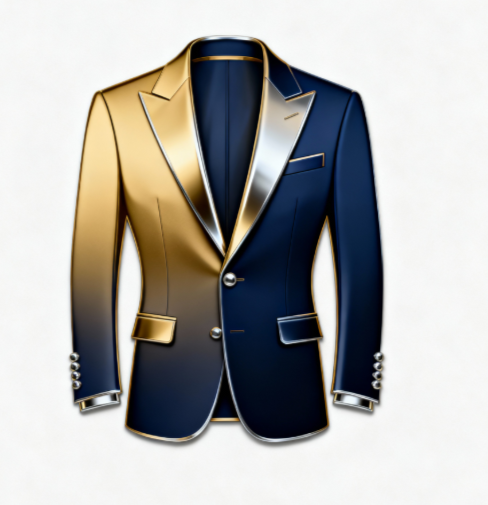
I used to think more details meant better jackets. Lots of zippers, contrasting panels, logos everywhere – that’s what caught my eye in stores. Then I bought a $400 jacket covered in branding and realized I never wore it because it didn’t match anything.
Minimalist design isn’t boring. It’s strategic. A well-cut jacket in solid color works with everything in your closet instead of demanding specific outfits. You spend more upfront but wear it constantly instead of letting it collect dust.
Learning to pick minimalist designer jackets took years of expensive mistakes. I’ve bought jackets that looked amazing on the rack but felt stiff and uncomfortable. Others fit perfectly but the fabric looked cheap after one season. Now I know exactly what to look for.
Focus On Cut And Silhouette
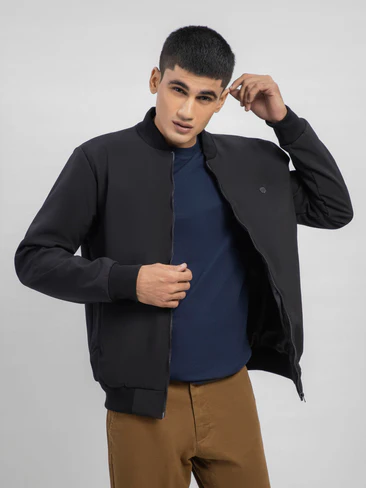
Minimalist jackets rely entirely on fit because there are no details to distract from poor tailoring. The shoulders need to hit exactly right – not drooping off your frame, not pulling tight across your back.
Sleeve length matters more than you’d think. Too long looks sloppy. Too short makes you look like you borrowed your younger brother’s jacket. The sleeve should end right at your wrist bone when your arms hang naturally.
Body length depends on your height and proportions. Taller guys can pull off longer cuts that hit mid-thigh. Shorter guys look better in jackets ending at the hip. Try both and see what balances your frame.
The shoulder line should follow your natural shoulder. Modern cuts tend toward slightly extended shoulders for a structured look, but avoid anything that makes you look like you’re wearing football pads.
Chest fit needs enough room to layer a sweater underneath without looking bulky when worn over just a shirt. Button it up and move your arms – if it pulls tight across the back, size up.
Material Quality You Can Feel
Cheap materials ruin minimalist designs instantly. Without logos or details to create visual interest, the fabric itself has to look expensive. Thin, shiny materials scream budget regardless of the cut.
Wool blends provide warmth without bulk. Look for at least 50% wool content for durability and natural temperature regulation. Fully synthetic jackets pill quickly and lose shape after a season.
Leather needs to feel substantial. Thin leather creases weird and looks cheap. Quality leather has weight to it and develops character as it ages instead of just looking worn out.
Technical fabrics work great for minimalist rain jackets and windbreakers. Matte finishes look more sophisticated than shiny synthetics. The fabric should have some structure instead of feeling flimsy.
Check the lining quality too. Cheap linings tear easily and make getting the jacket on and off frustrating. Smooth, durable linings improve daily wearability significantly.
Hardware And Construction Details
Zippers reveal quality instantly. YKK zippers are industry standard for good reason – they work smoothly and don’t catch. Cheap zippers snag, stick, and eventually break.
Stitching should be tight and even. Loose threads or irregular stitching indicate rushed production. Turn the jacket inside out and check seam quality – that’s where corners get cut on budget pieces.
Button quality matters on wool and cotton jackets. Plastic buttons look cheap. Metal or horn buttons feel substantial and hold up better long-term.
Pocket construction affects how the jacket hangs. Poorly reinforced pockets sag and distort the silhouette. Internal reinforcement keeps pockets functional without ruining the clean lines.
Check how the collar sits. It should lie flat without gapping away from your neck. Collars that stand up weird or won’t stay down look sloppy.
Color Selection For Versatility
Black works with everything but shows wear quickly. Dust, lint, and fading become obvious on black fabrics. Great as a first designer jacket but consider other options too.
Navy offers similar versatility with better aging characteristics. Navy hides minor dirt better and pairs well with both casual and dressed-up outfits.
Charcoal grey might be the most versatile color for minimalist jackets. Works in professional settings, casual weekends, and everything between. Doesn’t show wear as obviously as black.
Camel and tan work beautifully for lighter-weight jackets. These colors add warmth to outfits without being loud. Particularly good for spring and fall transitional pieces.
Olive green provides color without being flashy. Pairs well with denim, chinos, and dress pants. Less common than black or navy, so it stands out subtly.
Seasonal Considerations
Lightweight jackets for spring and fall should have minimal insulation. You’re layering them over other clothes, so bulk becomes problematic. Look for unlined or minimally lined options.
Winter jackets need insulation without excessive puffiness. Down provides maximum warmth with minimal bulk, but quality synthetic fills work well too. Avoid anything that makes you look inflated.
Rain resistance matters more than full waterproofing for most people. A jacket that sheds light rain and dries quickly handles typical weather better than heavy-duty rain gear you’ll rarely need.
All-season versatility comes from mid-weight materials that work with layering. A wool jacket over a hoodie works in winter. Same jacket over a t-shirt works in cool summer evenings.
Where To Invest Your Budget
When shopping designer jackets, prioritize classic styles over trendy cuts. Trends change fast but a well-cut minimalist jacket stays relevant for years.
Spend more on materials than branding. You’re paying for fabric quality and construction, not for logos. The jacket should look expensive because it’s well-made, not because it announces its brand.
Leather and wool deserve bigger budgets than synthetic materials. These natural materials age well when properly cared for, while synthetics just look old.
Consider cost per wear over total price. A $600 jacket worn 100 times over five years costs $6 per wear. A $200 jacket worn 20 times before it looks cheap costs $10 per wear.
Fit Adjustments And Tailoring
Even expensive jackets often need minor adjustments. Sleeves shortened, waist taken in slightly, or length adjusted – these small changes transform good fits into perfect fits.
Tailoring costs $40-100 for basic adjustments but makes a huge difference. A $400 jacket that fits perfectly beats a $800 jacket that almost fits right.
Shoulders can’t be easily altered, so get that right in the store. Everything else – sleeves, length, waist – can be adjusted relatively easily.
Testing Before Buying
Wear the jacket around the store for 10-15 minutes. Sit down, move your arms, check how it feels during normal movements. Stiffness that feels tolerable for two minutes becomes annoying after an hour.
Bring a friend whose opinion you trust. You can’t see how the jacket looks from behind or during movement. Another perspective catches fit issues you’ll miss.
Try it with clothes you’ll actually wear underneath. The jacket might fit great over a dress shirt but pull tight over a hoodie. Test realistic layering combinations.
Check return policies before buying. Even with careful fitting, sometimes jackets don’t work out after wearing them at home. Flexible return policies reduce risk.
Wrapping This Up
Minimalist designer jackets require more attention to fundamentals than detailed pieces. Fit, fabric, and construction become critical when there are no visual tricks to distract from flaws.
Invest in versatile colors and timeless cuts that work across multiple seasons and settings. These pieces become wardrobe foundations instead of occasional special-occasion items.
Quality materials and construction justify higher prices when the jacket lasts years and improves with age. Cheap jackets cost more long-term through replacements.
Take time finding the right piece. Rushing leads to compromises you’ll regret. A perfect minimalist jacket is worth waiting for.
