
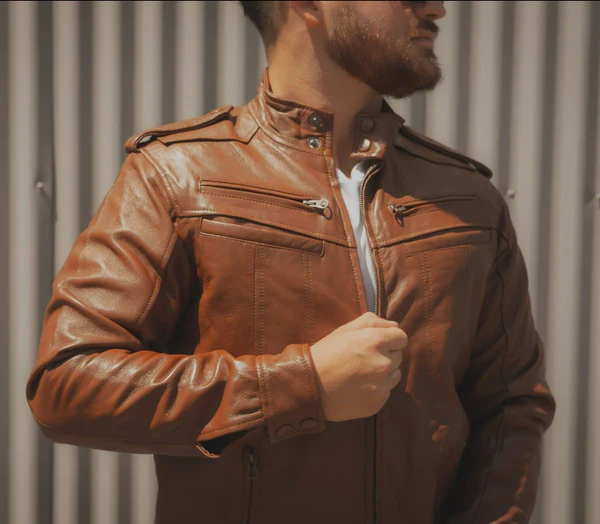
I ruined my first leather jacket within six months of buying it. Expensive mistake – cost me $800 and I treated it like any other coat. Tossed it on chairs, wore it in the rain, never conditioned it. The leather dried out, cracked at the elbows, and lost all its character.
That was twelve years ago. I’ve owned four leather jackets since then and finally learned how to actually take care of them. Turns out, leather is basically skin – it needs moisture, protection, and gentle treatment or it deteriorates fast.
The care routine isn’t complicated, but it’s specific. Do it right and your jacket lasts decades. Ignore it and you’re replacing expensive outerwear every few years. Here’s everything I wish someone had told me before I destroyed that first jacket.
Breaking In New Leather Properly
Brand new leather feels stiff and uncomfortable. Don’t try to force the break-in process – you’ll damage the material before it naturally softens.
Wear it regularly but not all day initially. A few hours at a time lets the leather adapt to your body shape gradually. I wore mine around the house for two weeks before taking it out, just getting comfortable with how it moved.
Avoid getting caught in rain during the first month. New leather hasn’t been conditioned yet and soaks up water like a sponge. Once it’s saturated, the drying process can create permanent stiffness or cracking.
Movement areas – elbows, shoulders, waist – will crease naturally as the jacket conforms to you. Don’t try to prevent this. Those creases add character and are part of proper break-in. Fighting them just stresses the leather in wrong places.
If the jacket feels restrictive across the chest or shoulders, you might’ve bought the wrong size. Leather stretches slightly but won’t transform from tight to comfortable. Better to exchange it now than suffer through months hoping it loosens up.
Cleaning Without Destroying The Finish
Never put leather jackets in washing machines. I shouldn’t have to say this, but I’ve seen it happen. The agitation and water saturation will ruin the leather permanently.
For light surface dirt, use a barely damp cloth. Wipe gently in the direction of any grain pattern. Let it air dry completely before wearing again. This handles 90% of cleaning situations.
Spot cleaning requires leather-specific cleaner. I keep a small bottle specifically for jackets – costs maybe $12 and lasts years. Apply tiny amounts to a soft cloth, test on an inconspicuous area first, then gently work the stain.
Grease stains need different treatment. Sprinkle cornstarch or talcum powder on the stain immediately. Let it sit overnight to absorb the oil, then brush off gently. Repeat if necessary. Don’t scrub or you’ll push grease deeper into the leather.
For serious stains or overall grime, take it to professional leather cleaners. They have products and techniques we don’t have access to. Costs $40-60 but prevents you from making expensive mistakes.
Conditioning Keeps Leather Alive
Leather dries out over time, especially in heated homes or air-conditioned offices. Dry leather cracks, and cracked leather is permanent damage.
I condition my jackets twice annually – once before winter when I’ll wear them heavily, and once in spring before storage. More often if the leather starts looking dull or feeling stiff.
Use quality leather conditioner, not random oils you found online. Mink oil, neatsfoot oil, and purpose-made leather conditioners all work. I prefer conditioners made specifically for jackets because they don’t over-saturate.
Apply thin layers with a soft cloth. Work it into the leather using circular motions. Pay extra attention to stress points – elbows, shoulders, and along the zipper where creasing happens.
Let the conditioner absorb for 20-30 minutes, then buff off any excess. The leather should look slightly richer in color and feel supple. If it looks greasy or wet, you used too much.
Conditioning frequency depends on climate and wear. Dry climates need more frequent conditioning. If you wear the jacket daily, condition every 3-4 months. Occasional wear means twice yearly is plenty.
Weather Protection Strategies
Leather and heavy rain don’t mix well. Water saturates the material, and improper drying causes stiffening or cracking.
If you get caught in rain, don’t panic. Pat the jacket down with absorbent towels to remove surface water. Hang it on a wide hanger in a well-ventilated room away from direct heat.
Never use hair dryers, radiators, or forced air to speed drying. High heat shrinks and cracks leather. Room temperature air circulation is the only safe method. Drying takes 24-48 hours – be patient.
Once fully dry, apply conditioner. The water strips natural oils from leather, and conditioning replaces what was lost. This step prevents the stiffness that makes people think their jacket is ruined.
Water-repellent sprays add protection for rainy climates. I use them on my everyday jacket that might see unexpected weather. Follow product instructions carefully – over-application creates residue buildup.
Snow and salt are worse than rain. Salt corrodes leather and leaves white stains that are difficult to remove. Wipe down your jacket immediately after exposure and clean any salt residue before it sets.
Storage That Prevents Damage
Never store leather jackets in plastic bags or garment bags. Leather needs to breathe. Trapped moisture causes mildew that ruins the material and creates permanent odors.
Use wide wooden or padded hangers that support the shoulders properly. Wire hangers create stress points and distort the shape over time. The jacket should hang naturally without pulling or creasing.
Store in cool, dry places with air circulation. Avoid basements prone to dampness and attics that get extremely hot. Closets work fine if they’re climate-controlled.
Before long-term storage, clean and condition the jacket thoroughly. Dirt left on leather can cause permanent staining during storage. Conditioning prevents drying during months of non-use.
Stuff the sleeves lightly with acid-free tissue paper to maintain shape. Don’t over-stuff – you want to support the structure without stretching the leather.
Check stored jackets every few months. Look for mildew, pest damage, or unexpected issues. Catching problems early prevents major damage.
Handling Scratches And Scuffs
Minor scratches often disappear with gentle rubbing. Use your finger to massage the area – body heat and natural oils help blend scratches into the surrounding leather.
Deeper scratches need leather repair cream matched to your jacket’s color. These creams fill scratches and blend with existing finish. Won’t make damage invisible but definitely minimizes appearance.
Scuffs on smooth leather sometimes buff out with a soft cloth. Rub gently in circular motions. If that doesn’t work, light application of conditioner often helps.
For designer jackets with special finishes, consult professionals before attempting repairs. Some treatments that work on standard leather damage specialty finishes.
Managing Odors
Leather absorbs smells from smoke, food, and body odor. These smells don’t wash out like they do from cotton.
Air out jackets after wearing. Hang them in ventilated areas overnight instead of immediately putting them in closed closets. Fresh air prevents odor buildup.
Baking soda absorbs existing odors. Sprinkle it inside the jacket, let it sit overnight, then shake out thoroughly. Repeat if necessary.
Never spray cologne or air fresheners directly on leather. The alcohol damages finish and creates stains. If you want scent, spray it on your shirt before putting the jacket on.
Professional cleaning removes stubborn odors that home methods can’t touch. Worth the cost when a favorite jacket starts smelling funky despite your best efforts.
Wrapping This Up
Leather jackets last decades when you treat them properly. The care routine takes maybe 30 minutes twice a year plus basic attention after each wearing. Small investment for protecting something that cost hundreds or thousands of dollars.
Most damage happens from neglect rather than normal wear. Dried-out leather cracks. Wet leather stored improperly mildews. Dirty leather stains permanently. All preventable with basic maintenance.
Buy quality conditioner, proper hangers, and learn basic care techniques before you need them. Don’t wait until your jacket looks damaged to start caring about maintenance.
The jacket that looks better after five years than after five months is the one that got regular attention. Leather rewards care with longevity and character that improves with age.