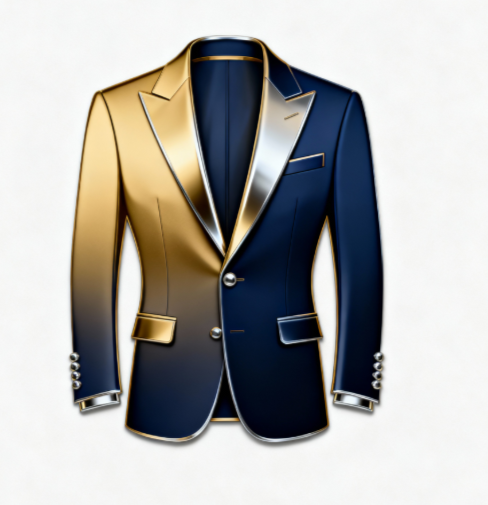
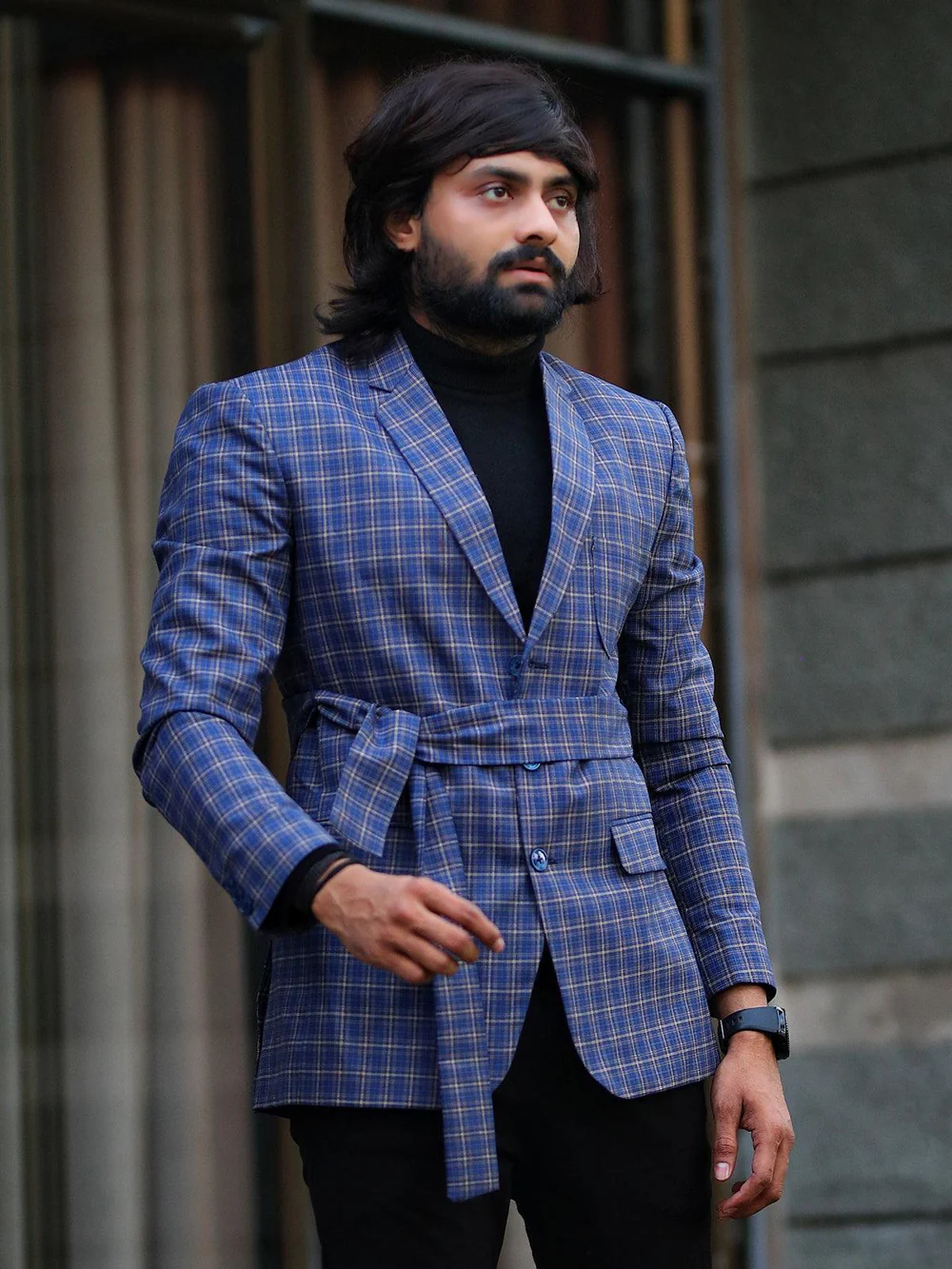
Color used to be simple for men’s jackets – black, navy, gray, maybe brown if you were feeling adventurous. Those options covered 95% of what you’d see in stores or on the street.
That safety-first approach is dying. Walk through any designer menswear department now and you’ll see rust, burgundy, olive, camel, even pastels. Colors that would’ve been considered too bold or feminine five years ago are mainstream options.
But just because colors are available doesn’t mean they all work for everyone. I learned this after buying a beautiful sage green jacket that looked amazing in the store and terrible with everything I actually own. It sits in my closet unworn because I didn’t think through color strategy.
Here’s how to choose jacket colors that actually work for your wardrobe, skin tone, and lifestyle.
Understanding Undertones And Skin Tone
This sounds complicated but it’s simpler than you’d think. Your skin has either warm undertones (yellow/golden) or cool undertones (pink/blue). Certain colors complement each undertone while others clash.
Easy test: look at your wrist veins in natural light. Green-appearing veins suggest warm undertones. Blue or purple veins indicate cool undertones. If you can’t tell, you might be neutral and can wear most colors.
Warm skin tones look great in earth colors – camel, rust, olive, chocolate brown, warm grays. These colors harmonize with golden undertones instead of fighting them. Cool colors like pure black or icy blue can wash out warm-toned skin.
Cool skin tones handle navy, charcoal, burgundy, and true black beautifully. These colors complement pink or blue undertones. Warm colors like orange-based rust or yellow-based camel can clash.
I have warm undertones and look terrible in pure black designer jackets. Camel and olive make my skin look healthy and vibrant. Understanding this saved me from buying expensive pieces in flattering colors that didn’t suit me.
Neutral Colors As Foundation
Every wardrobe needs neutral-colored jackets as foundation pieces. These work with almost everything and provide reliable options when you don’t want to think hard about outfits.
Navy is the most versatile neutral for jackets. Works with jeans, khakis, gray pants, and even black pants. More interesting than black while being just as practical. Most guys should own at least one quality navy jacket.
Charcoal gray offers sophistication without black’s severity. Pairs beautifully with both warm and cool colors in your other clothes. Slightly more formal than navy but still appropriate for casual wear.
Camel and tan occupy unique space – neutral enough to work with most colors but distinctive enough to add visual interest. These warm neutrals work especially well in fall and winter.
Black remains useful but isn’t as versatile as people assume. It can look harsh against certain skin tones and creates stark contrast that doesn’t always work. Better as a second or third jacket than your only one.
My recommendation: start with navy or charcoal as your first designer jacket, then add more distinctive colors once that foundation exists.
Earth Tones For Versatility With Character
Earth tones bridge the gap between boring neutrals and bold statement colors. Olive, rust, chocolate brown, burgundy – all these work with standard menswear while adding personality.
Olive is having a massive moment right now. Military-inspired green works with denim, khaki, gray, navy, even black. It’s distinctive without being loud, masculine without being boring.
Rust and burnt orange add warmth to fall and winter wardrobes. These colors pair beautifully with denim and neutral pants while standing out from the navy and black everyone else wears.
Burgundy offers sophistication that navy and black can’t match. Deep wine colors read as elegant without feeling overly formal. Works particularly well in wool or leather jackets.
Chocolate brown gets overlooked but shouldn’t be. Rich brown jackets have vintage character and work with virtually every other color. Especially good with cream, tan, blue, and even black.
These earth tones require slightly more thought in outfit building than pure neutrals, but they’re not difficult to work with. If you’re tired of black and navy but not ready for bold colors, earth tones are perfect.
Bold Colors For Statement Pieces
Bright or unusual colors work best when you understand they’re statement pieces, not everyday versatile jackets. You’re buying them specifically to add visual interest and personality.
Mustard yellow appears in designer collections constantly but requires confidence to wear. It’s loud, demands attention, and limits what you can pair it with. Only buy this if you’re genuinely excited about wearing yellow regularly.
Forest green sits between olive and emerald – more saturated than military green but not as bright as kelly green. Works surprisingly well as an alternative to navy or black for guys ready to embrace color.
True red appears occasionally in designer menswear and makes a serious statement. Unless you’re very confident and your lifestyle supports bold choices, this might sit unworn. Be honest about whether you’ll actually wear it.
Pastels showed up in recent collections – pale pink, lavender, mint. These require specific styling and aren’t for everyone. They read as intentionally fashionable rather than classically stylish.
Before buying any bold-colored designer jacket, ask yourself: will I wear this 20+ times, or will novelty wear off after a few uses? At designer prices, pieces need regular wear to justify cost.
Seasonal Color Considerations
Certain colors feel seasonally appropriate even though jackets technically work year-round. Aligning color choices with seasons makes outfits feel more cohesive.
Fall and winter call for deeper, richer colors. Burgundy, chocolate brown, forest green, charcoal – all these feel right when temperatures drop and light gets softer.
Spring and summer suit lighter shades. Tan, stone, pale blue, sage green – colors that feel fresh and work with the season’s brighter light and warmer tones.
Some colors transcend seasons. Navy, black, and olive work equally well in July and January. If you’re only buying one jacket, choose a color that doesn’t feel limited to specific months.
I avoid buying designer jackets in colors so strongly associated with one season that I can’t wear them year-round. Wearing a heavy rust-colored jacket in spring feels wrong even though the weather might support it.
Wardrobe Integration Strategy
The best jacket color for you depends on what you already own. A color that looks amazing in isolation might not work with your existing wardrobe.
Audit your current pants, shoes, and shirts before choosing jacket colors. If you wear mostly blue jeans and gray pants, navy jackets might blend too much. Camel or olive would create more visual separation and outfit variety.
Consider your shoe collection too. Brown shoes work with warm-colored jackets – camel, olive, rust. Black shoes pair better with cool colors – navy, charcoal, burgundy. Buying a jacket color that doesn’t work with your existing shoes creates frustration.
Your lifestyle dictates how adventurous you can be with color. Creative professionals or casual dressers can embrace bold colors more easily than corporate environments. Choose colors your actual life supports wearing regularly.
Wrapping This Up
Choosing jacket colors strategically creates a versatile wardrobe where pieces work together instead of sitting isolated in your closet.
Start with foundation neutrals that work with everything – navy or charcoal for most guys. Add earth tones once that foundation exists – olive, rust, burgundy, or camel depending on your skin tone and existing wardrobe.
Consider bold colors only after establishing versatile basics. Statement pieces are great for expressing personality but shouldn’t be your first or only designer jacket.
Test colors against your skin in natural light before buying. What looks good on the hanger might not complement your specific coloring. Understanding your undertones prevents expensive color mistakes.