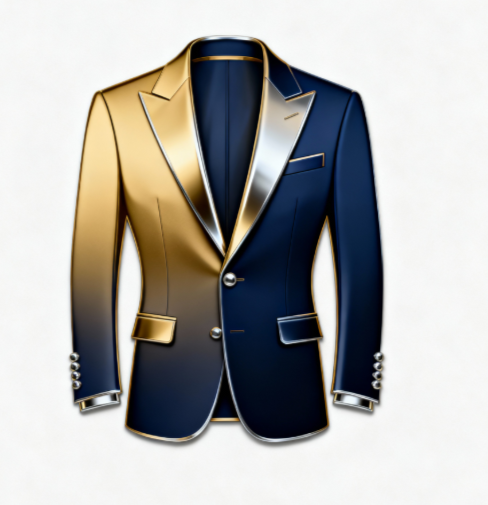
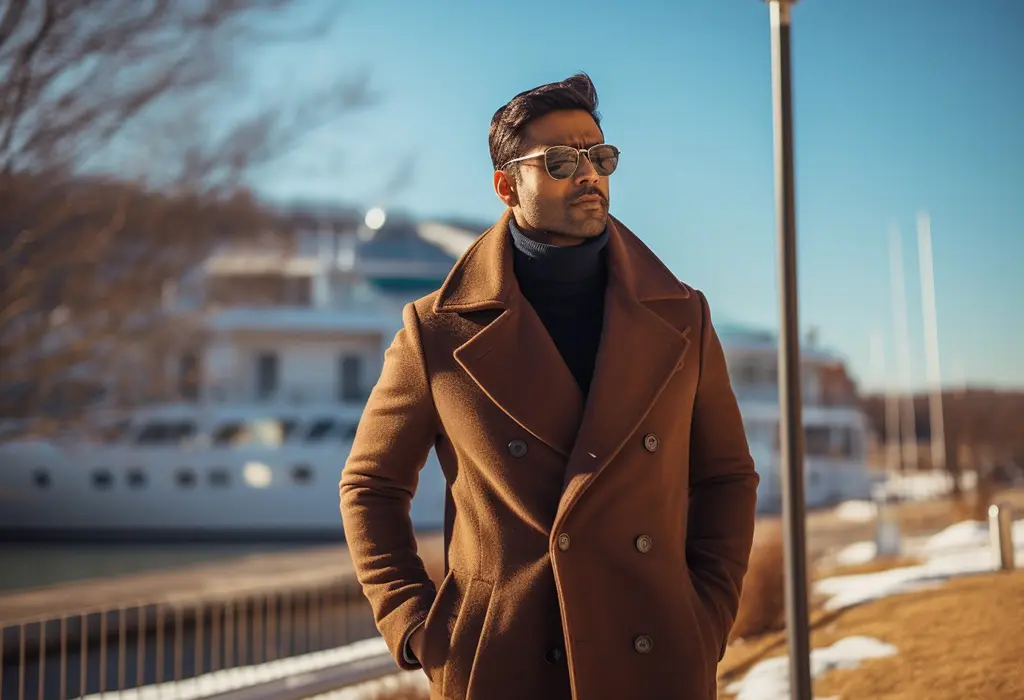
I wasted a lot of money on designer jackets before figuring out what actually matters. Bought pieces because they looked great in the store, only to barely wear them because they didn’t work with my actual lifestyle.
That leather jacket that cost $2,000? Too formal for daily wear, too casual for business events. The wool overcoat? Too warm for most of the year where I live. The bomber jacket in a trendy color? Looked dated within eighteen months.
Expensive mistakes taught me that buying designer jackets requires strategy beyond just liking how something looks. Here’s what I wish someone had told me before I spent thousands learning these lessons.
Understanding Your Actual Lifestyle Needs
Be honest about your daily life before dropping serious money. I work from home most days and live in a mild climate. My jacket needs are completely different from someone commuting in Chicago winters or attending client meetings weekly.
Track what you actually wear for two weeks. How often do you need weather protection? What’s your typical dress code? How much walking versus driving do you do? These answers determine which jackets you’ll use versus which will hang untouched.
Most guys need one versatile everyday jacket before considering specialty pieces. Something that works with jeans and chinos, handles moderate weather, and doesn’t look too casual or too formal for typical activities.
I should’ve bought that first. Instead I bought three specialized jackets that each worked in limited situations. Would’ve been smarter to invest in one great all-purpose piece, then add specialty items as budget allowed.
Climate dictates everything. Insulated parkas make zero sense in Los Angeles. Lightweight bombers don’t cut it in Minnesota. Choose jackets designed for your actual weather, not Instagram-worthy pieces that don’t function where you live.
Evaluating Quality And Construction
Designer prices don’t automatically mean quality construction. Some brands charge for the label more than the craftsmanship. Learning to spot well-made jackets prevents expensive disappointments.
Check seams first. Quality jackets have even, tight stitching with no loose threads. Seams should lie flat without puckering. Turn the jacket inside out and examine the interior finish – quality construction looks clean inside too.
Hardware matters more than most people think. Zippers should operate smoothly without catching. Buttons should feel substantial and be securely attached with reinforcement. Snaps should engage firmly without feeling flimsy.
Fabric weight and hand-feel tell you a lot. Quality wool feels dense and resilient, not thin or scratchy. Leather should feel supple with consistent thickness. Technical fabrics should have structure without stiffness.
Lining quality separates good from great. Many luxury jackets use premium exterior materials but cheap linings that pill or tear. Check that interior fabrics match the exterior quality level.
Try the jacket through full range of motion. Reach forward, stretch your arms up, rotate your shoulders. Quality construction accommodates movement without pulling or restricting. Cheap jackets bind and feel tight during normal activities.
Fit Considerations Beyond Size Charts
Size charts provide starting points, not final answers. Every brand fits differently, and designer sizing often runs small or uses European measurements that don’t match US standards.
Shoulders are the critical fit point. Too wide looks sloppy, too narrow restricts movement and causes fabric to pull. The shoulder seam should sit right at your shoulder edge, not drooping down your arm or riding up your neck.
Sleeve length matters especially on expensive pieces. Sleeves should end at your wrist bone when arms hang naturally. Too short looks awkward, too long bunches at the wrist and wears faster from friction.
Body length depends on jacket style and your proportions. Bomber jackets hit at the waist, field jackets fall mid-hip, overcoats extend past the knee. Try multiple lengths to see what balances your build.
Room for layering is essential. A jacket that fits perfectly over a t-shirt becomes unwearable over a sweater. Test fit with realistic underlayers you’ll actually wear, not just what you’re wearing in the store.
Don’t assume you can tailor everything. Some alterations work well, others compromise the design. Hemming sleeves usually works fine. Adjusting shoulders rarely works well and costs almost as much as the jacket.
Color And Versatility Strategy
Black and navy are safe choices that work with everything. They’re also boring and don’t express much personality. Balance versatility with having at least one piece that adds visual interest to your wardrobe.
Your first designer jacket should work with 80% of your existing wardrobe. Unusual colors or patterns limit outfit options unless you’re building your whole wardrobe around that piece.
Earth tones offer middle ground between boring neutrals and bold statements. Camel, olive, rust, chocolate brown – all these work with standard menswear colors while adding more character than black.
Consider your existing wardrobe colors before buying. If you wear mostly blue and gray, a navy jacket might disappear. A camel or olive jacket would create more outfit variety and visual interest.
Patterns are tricky in expensive pieces. A subtle texture or tonal pattern adds interest without limiting versatility. Bold patterns or graphics look great initially but get tiresome when you’re trying to wear a $1,500 jacket regularly.
Investment Value And Timing
Designer jackets go on sale predictably. Buying at full retail is usually unnecessary unless you need something immediately or want first pick of limited items.
End-of-season sales offer 30-50% discounts on jackets that just arrived months earlier. Patience saves hundreds or thousands depending on original price. Sign up for brand newsletters to get early sale access.
Outlet stores carry previous seasons at permanent discounts. Quality is identical to retail stores, just older styles. If you’re not chasing current trends, outlets provide excellent value.
Resale market for designer menswear has exploded. Platforms like Grailed, Vestiaire Collective, and TheRealReal sell authenticated pieces at significant discounts. I’ve bought barely-worn designer jackets for 40-60% below retail.
Calculate cost per wear before purchasing. A $1,200 jacket worn 100 times over three years costs $12 per wear. A $300 jacket worn 10 times costs $30 per wear. Expensive pieces justify their cost through longevity and frequent use.
Wrapping This Up
Buying designer jackets smartly requires understanding your needs, evaluating quality, ensuring proper fit, choosing versatile colors, and timing purchases strategically.
Most guys should start with one excellent versatile piece rather than multiple specialized jackets. Build your collection gradually as you understand what you actually wear and what just takes up closet space.
Try everything on, preferably with clothes you’ll actually wear underneath. Don’t trust size charts alone, and don’t buy something that fits wrong hoping you’ll alter it later.
Quality construction and timeless style matter more than current trends at this price point. You’re investing significant money in pieces that should last years and remain relevant beyond one season.