
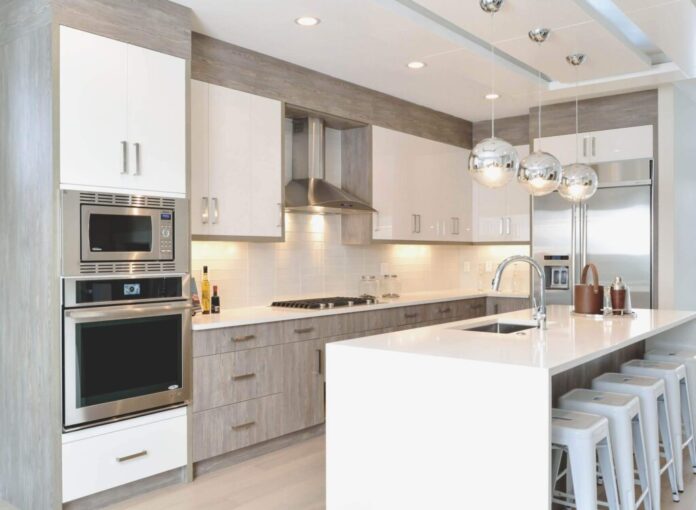
Knowing how to choose countertop materials for kitchen projects is easier when the decision is based on real life, not showroom lighting. In 2025, kitchens are work zones, gathering spots, and sometimes even homework stations. That means countertops face heat, spills, sharp tools, heavy appliances, and constant cleaning. The right surface should match daily habits, maintenance tolerance, and budget, while still delivering the style a space deserves.
Hyundai L&C (1760 Corporate Dr., Norcross, Georgia 30093) provides surfacing options and product resources that help homeowners, designers, and builders compare materials with clearer expectations. Start with performance first, then narrow down to the look.
How to choose countertop materials for kitchen: start with lifestyle
Before comparing quartz, solid surface, granite, or laminate, define the kitchen’s “stress level.” A surface that works for light cooking can struggle in a busy household.
Ask these questions:
- Is cooking daily, or mostly weekends?
- Are kids eating or studying on the island?
- Does anyone cut directly on the counter?
- Are acidic foods common (lemon, vinegar, wine, tomatoes)?
- Is cleanup mostly quick wipes, or deep cleaning with strong products?
- Is the kitchen used for entertaining and serving?
A simple rule helps:
- More mess + less patience for maintenance = lower-maintenance surfaces win.
- More design freedom + custom shapes = fabrication flexibility matters more.
The 7 performance factors that matter most
A smart countertop choice is not only “pretty.” It is a surface that stays attractive after months of real use.
1) Stain resistance and porosity
Spills happen. Coffee, oils, sauces, and cosmetics can leave marks on some materials if they soak in or react with the surface.
Look for:
- Non-porous or low-porous surfaces for easier daily cleanup
- Clear care guidance on common stains
- A finish that supports quick wipe-down routines
2) Heat behavior
Many people assume “stone look” means “hot pan safe.” That assumption causes most regret. Even durable surfaces often require trivets and heat pads to prevent damage.
Best practice:
- Plan landing zones for hot cookware
- Use trivets as a normal habit
- Avoid placing hot items near seams and sink cutouts
3) Scratch resistance and wear
Knife marks, sliding cookware, and daily abrasion add up.
Think in real use terms:
- Frequent cooking and meal prep usually needs higher scratch tolerance
- Low-cook kitchens can prioritize design and cost more easily
- Matte finishes may show certain wear patterns differently than polished finishes
4) Impact and edge chipping risk
Corners and edges take the most hits. Heavy pots, metal water bottles, and moving appliances can chip edges depending on the material and the edge profile.
Tips that reduce edge problems:
- Choose a slightly rounded edge in high-traffic kitchens
- Avoid ultra-sharp edges for family homes
- Add corner protection behavior through layout and seating placement
5) Seams and layout
A beautiful slab can still look wrong if seam placement is poor. Seams also affect cleaning and long-term appearance.
Important seam considerations:
- Seam locations should avoid the center of the main viewing zone
- Veining patterns should be aligned across seams when possible
- Sink seams should be planned carefully for both look and maintenance
6) Maintenance expectations
Some surfaces reward owners who follow care rules. Others are more forgiving for busy schedules.
Maintenance questions to ask:
- Is sealing required?
- Are special cleaners needed?
- Is polishing needed over time?
- Can light damage be repaired or refinished?
7) Budget and long-term value
Price is not only material cost. Long-term value includes repairs, replacement cycles, and how easy it is to keep the countertop looking “new.”
A useful approach:
- Consider the cost of stress and upkeep
- Pick a surface that matches the cleaning reality, not the “ideal routine”
Countertop materials comparison by real-world use
Here is a practical breakdown of popular countertop options, with clear strengths and trade-offs.
Quartz countertops: durable and easy to live with
Quartz is engineered and widely chosen for its consistent look and simple daily cleaning. It is often a strong pick for busy kitchens.
Best for:
- Daily cooking and frequent spills
- Households wanting low maintenance
- Modern designs that want consistent patterns
- Marble-look style with easier upkeep than many natural stones
Watch-outs:
- Heat protection habits still matter
- Edge chips can happen from strong impacts
- Seam planning matters on large layouts and islands
Good fit: family kitchens, condos, multifamily units, and many light commercial counters.
Solid surface: seamless looks and design flexibility
Solid surface is known for smooth, continuous looks and fabrication flexibility. Many designs that require curves, wrapped edges, and integrated aesthetics are easier with solid surface.
Best for:
- Minimal-seam aesthetics
- Integrated sink styles and continuous surfaces
- Custom shapes, curves, and feature counters
- Spaces where surface renewability is valued
Watch-outs:
- Some finishes can show fine scratches faster in heavy-use kitchens
- Heat and harsh chemicals require clear care rules
- Cutting directly on the surface can leave marks over time
Good fit: design-forward kitchens, reception counters, and spaces that value a seamless look.
Granite: natural beauty with strong durability
Granite provides a natural stone feel and unique patterning. Many options are durable, but stone varies by slab.
Best for:
- Buyers who want natural variation
- Kitchens where a true stone look matters
- Homes that accept minor variation as part of the aesthetic
Watch-outs:
- Sealing may be needed depending on the stone
- Pattern variation can make matching harder
- Some slabs can stain if care is ignored
Good fit: homeowners who want natural character and can follow basic care.
Marble: premium look with higher responsibility
Marble is iconic, but it has real trade-offs. Etching and staining can occur in active kitchens, especially with acidic foods.
Best for:
- Baking stations and lower-use kitchens
- Homes that prefer patina and natural aging
- High-end design where the look is the top priority
Watch-outs:
- Acid etching can happen quickly in busy kitchens
- Maintenance discipline matters more
- Sealing does not prevent etching, only helps with staining
Good fit: low-stress kitchens, show kitchens, or households that accept patina.
Porcelain and sintered surfaces: modern and performance-focused
These surfaces can offer strong heat and scratch resistance, depending on product and thickness, and are popular for modern design.
Best for:
- Contemporary looks, large-format visuals
- Heat and scratch-focused needs
- Feature walls and backsplash continuity
Watch-outs:
- Fabrication demands can be stricter
- Edges and cutouts need careful planning
- Installer capability matters a lot
Good fit: modern kitchens and design-led projects with qualified fabricators.
Laminate: budget-friendly with wide design choices
Laminate has come a long way in visuals. It can be a smart choice when budget and speed are priorities.
Best for:
- Budget-driven remodels
- Rental properties and quick turns
- A wide range of colors and styles
Watch-outs:
- Moisture at seams can be a risk if edges are not protected
- Heat damage can occur more easily
- Deep damage is harder to repair invisibly
Good fit: rentals, starter homes, and budget remodels.
Butcher block: warm look with regular care
Wood counters add warmth and a natural feel, but they require maintenance habits.
Best for:
- Warm, cozy kitchen styles
- Baking zones and light prep areas
- Homes comfortable with routine care
Watch-outs:
- Water and staining risk without maintenance
- Needs oiling and care routines
- Can scratch and dent, which may be acceptable as character
Good fit: style-focused kitchens where care routines are realistic.
How to choose countertop materials for kitchen: a simple 6-step method
This process helps narrow choices without overthinking.
Step 1: Pick the maintenance level first
Choose one:
- Low maintenance
- Medium maintenance
- High maintenance (for premium look or natural materials)
Step 2: Identify the highest-risk zones
Typical high-risk zones:
- Around the sink (water, cleaners, stains)
- Next to the cooktop (heat exposure)
- Island corners (impact risk)
- Coffee station (stains and acids)
Step 3: Choose the finish that matches real cleaning habits
- Polished finishes often wipe clean faster
- Matte finishes can look modern but may show fingerprints or water spots more
Step 4: Lock the edge profile
Edge profiles affect durability and safety.
- Rounded edges help reduce chipping risk
- Sharp edges look sleek but can chip more easily in busy homes
Step 5: Plan seams and pattern direction early
Especially for veined looks:
- Ask for seam placement approval before fabrication
- Avoid seams in high-visibility areas when possible
- Align pattern direction for a cleaner look
Step 6: Verify warranty and care rules before purchase
A warranty should be easy to understand. Care rules should fit the household’s habits.
Design tips that prevent buyer regret
Small decisions create big satisfaction later.
- Check undertones under real lighting. Warm lighting can change whites and grays.
- Avoid choosing from a tiny sample alone. View larger samples when possible.
- Match backsplash and countertop expectations. Some patterns look busy with busy tile.
- Plan a heat landing space. A simple heat pad zone prevents future damage.
- Think about cleaning tools. If abrasive pads are commonly used, choose a more forgiving surface.
Where Hyundai L&C fits in the selection process
Hyundai L&C is based at 1760 Corporate Dr., Norcross, Georgia 30093 and offers surfacing products and resources through hyundailncusa.com. When selecting countertops, product pages, care guidance, and technical details help compare options with fewer surprises. This matters for homeowners choosing a forever kitchen, and for builders trying to standardize materials across multiple units.
Helpful evaluation points:
- A style range that fits modern and classic kitchens
- Documentation that supports smarter selection
- Guidance that helps align expectations with real-life use
Conclusion
Learning how to choose countertop materials for kitchen projects comes down to matching the surface to the way the kitchen is truly used. Start with lifestyle and maintenance tolerance, then compare materials by stain resistance, heat behavior, wear, edge durability, and seam planning. A countertop that fits daily habits will look better longer and feel easier to live with.
For collections, product details, and surfacing resources from Hyundai L&C, visit hyundailncusa.com and explore options that balance design impact with day-to-day practicality.
