
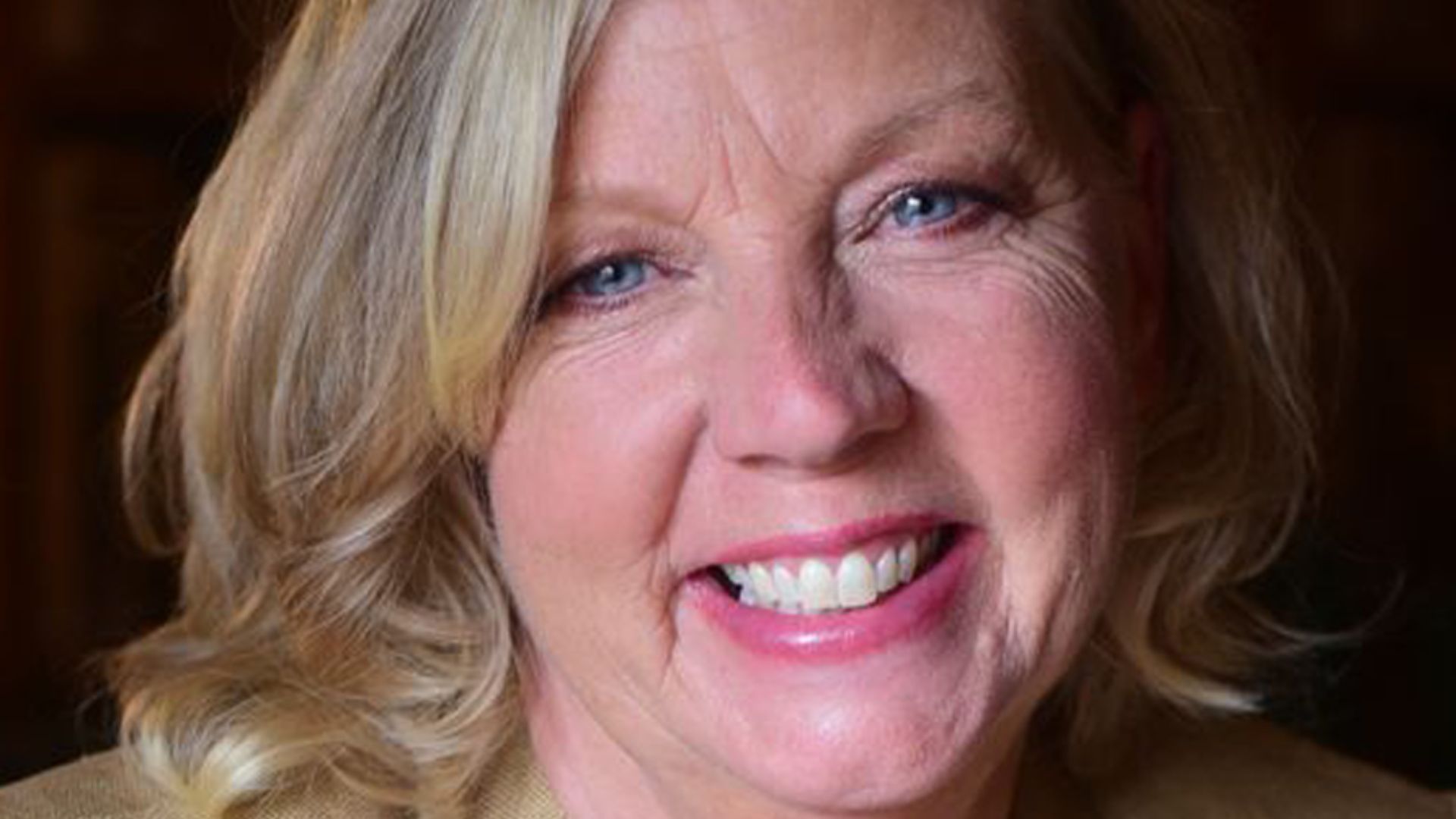
Deborah Meaden’s decision not to have children has become a recurring subject of public commentary, revealing how audiences respond when high-profile figures deviate from expected life paths. The ongoing interest in this aspect of her life demonstrates that absence can generate as much curiosity as presence, and that explaining personal choices becomes a form of labor for public figures.
Deborah and her husband Paul Meaden married and built a life centered around business, animal welfare, and environmental advocacy rather than parenthood. She has addressed the topic directly in interviews, stating that children require a level of dependency she’s not inclined to provide, and that the decision has never been a problem for her.
The persistence of questions about her childlessness reflects deeper cultural assumptions about women, success, and fulfillment. When a woman achieves significant professional and financial success, audiences often search for what’s “missing,” and the absence of children becomes interpreted as either sacrifice, regret, or deficiency—even when the person explicitly states otherwise.
Framing Personal Choices And The Labor Of Repeated Explanation
Deborah Meaden has repeatedly had to explain and justify her decision not to have children, a dynamic that reveals how personal choices become public accountability issues for visible figures. Each interview or public appearance brings the question up again, forcing her to relitigate a decision she made decades ago.
This pattern creates a form of reputational friction. No matter how clearly she states her position, audiences continue to interpret her childlessness through their own frameworks—some admiring her honesty, others speculating about regret, still others viewing it as evidence of selfishness or emotional limitation.
From a practical standpoint, this dynamic illustrates how public figures can’t fully control their narratives even when they’re transparent and consistent. The interpretation persists independently of the explanation, and the explanation itself becomes content that gets repackaged and recirculated across different contexts.
Dependency, Control, And The Economics Of Life Design
Deborah has described herself as someone who doesn’t like excessive dependency, explicitly connecting that preference to both her decision not to have children and her stated lack of interest in dogs. That explanation offers insight into her decision-making framework—she prioritizes autonomy and structures her life to minimize obligations that constrain her freedom.
This approach aligns with how many successful entrepreneurs think about resource allocation. Time and attention are finite, and commitments that create ongoing dependency reduce flexibility to pursue opportunities, pivot strategies, or simply maintain personal space.
What I’ve learned is that clarity about preferences allows for better decision-making, but it also creates friction when those preferences conflict with cultural norms. Deborah’s honesty about not wanting the dependency that comes with children is refreshing, but it also invites judgment from those who view parental sacrifice as a moral good or necessary component of a complete life.
Alternative Family Structures And The Narrative Of Fulfillment
Deborah and Paul’s life includes numerous animals—horses, dogs, cats, pigs, sheep, chickens, ducks, and geese—creating a household structure that provides companionship and purpose without the specific demands of human children. That structure functions as an alternative model of family, though it’s rarely framed that way in media coverage.
The animals represent both lifestyle choice and economic investment. Caring for that many animals requires infrastructure, staff, and ongoing financial commitment. It also provides daily structure and connection, fulfilling some of the same psychological needs that parenting meets for others.
Look, the bottom line is that fulfillment doesn’t follow a single template. Deborah’s life demonstrates that professional achievement, partnership, and animal stewardship can create a satisfying existence without human children. But because that model deviates from cultural norms, it’s often presented as curiosity or exception rather than valid alternative.
Media Cycles And The Persistence Of Deviation Narratives
The fact that “Deborah Meaden children” generates search volume and media coverage demonstrates how deviations from expected life paths become permanent parts of a public figure’s narrative. Her childlessness is mentioned in almost every profile, biography, and interview, often framed as a defining characteristic alongside her business success.
That persistence reflects both audience curiosity and media economics. Stories about successful women without children tap into ongoing cultural debates about feminism, choice, and whether women can “have it all.” Each article or interview segment that addresses the topic contributes to a larger conversation, ensuring the subject remains relevant across time.
Here’s what actually works: public figures who address sensitive personal topics once, clearly and comprehensively, and then decline to re-engage tend to have better outcomes than those who repeatedly explain themselves. Deborah’s willingness to state her position directly reduces speculation, even if it doesn’t eliminate questioning.
Wealth, Property, And The Visible Markers Of Alternative Success
Deborah’s purchase and renovation of a period property in Somerset, funded by the sale of her business, provides visible evidence of success that exists independently of family structure. The investment in ethical, period-accurate restoration reflects her values and priorities, creating a legacy project that doesn’t involve children but still demonstrates long-term thinking and resource allocation.
The property also serves a practical function—it houses the animals and provides the infrastructure for the lifestyle she and Paul chose. That tangible investment creates a different form of legacy than children would, one based on place, environmental stewardship, and architectural preservation.
The data tells us that how people allocate wealth reveals priorities more clearly than stated values. Deborah’s decision to invest significantly more in restoration than the property will ever return financially demonstrates commitment to principles over profit maximization, a calculus that makes sense within her framework but might seem irrational to others focused on financial return or inheritance planning.